May 30, 2026 • Callum Draper • 9 min reading time • Prices verified June 6, 2026
Kombucha, Cider, and Probiotic Fermentation Kits: The Gateway Projects That Build Real Brewing Skills
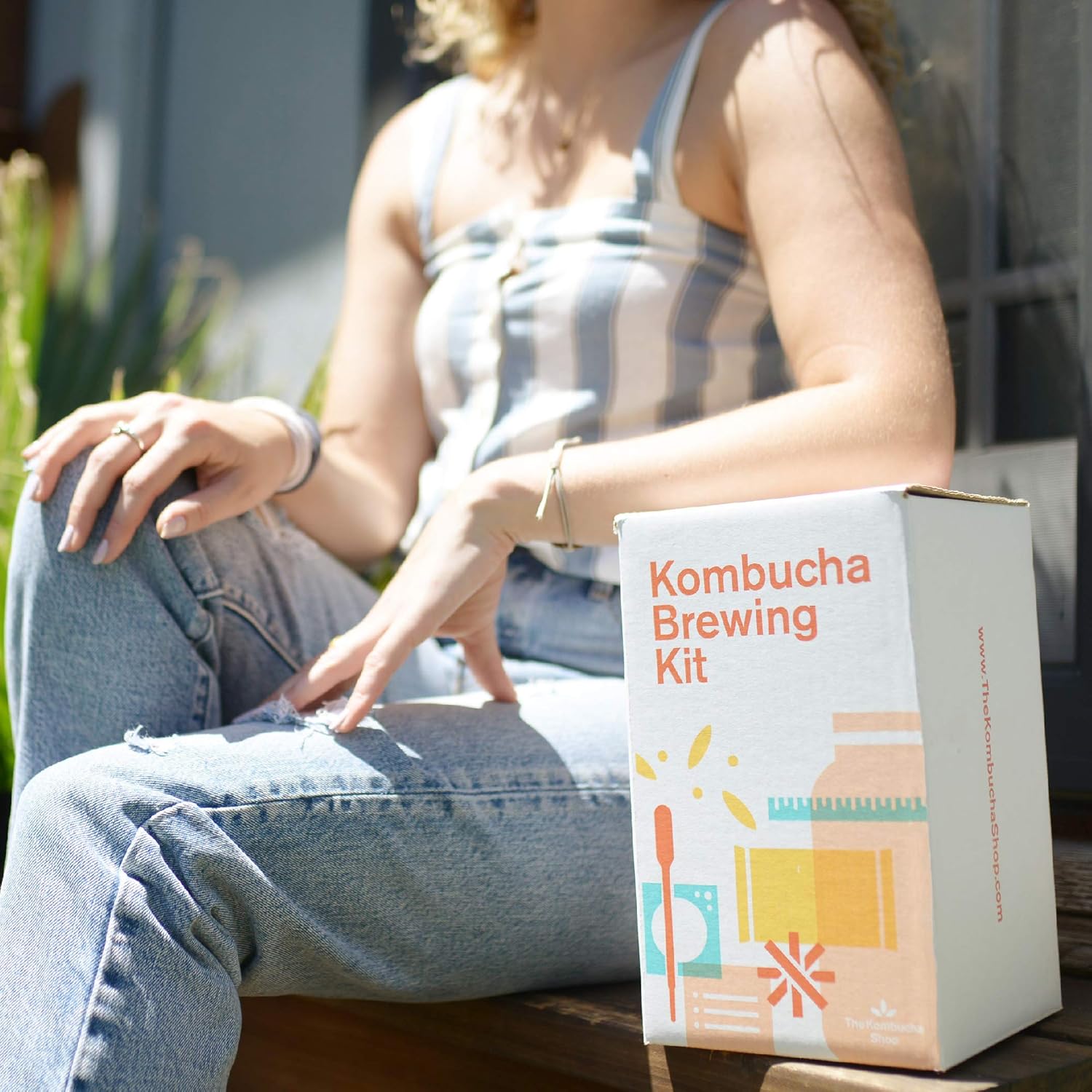
If you’ve ever stood in front of a fermenter watching airlock bubbles and wondered exactly what’s happening inside, you already understand the appeal of fermentation as a craft. Fermentation is the biological process in which microorganisms — yeast, bacteria, or a combination of both — consume sugars and produce alcohol, acids, and carbon dioxide as byproducts. Beer is the most famous result, but the same underlying science produces hard cider (fermented apple juice), kombucha (a tangy, lightly effervescent drink made by fermenting sweetened liquid with a living culture called a SCOBY — short for Symbiotic Culture of Bacteria and Yeast), and a growing family of probiotic (live-culture) beverages that are having a genuine market moment in 2026. For a homebrewer who has already navigated fermentation temperature or fought an infection, these “gateway” projects aren’t distractions from the main craft — they’re precision reps that isolate specific skills: pH control, sanitation discipline, carbonation management, and sensory calibration. This guide breaks down which kits are worth the shelf space, what you’ll genuinely learn from each, and how to sequence these projects if you’re already thinking about your next equipment upgrade.
Why These Projects Actually Matter to a Serious Brewer
The temptation is to frame kombucha or cider as beginner territory — something to hand off to a partner who doesn’t want to drink IPAs. Resist that framing. Brew Your Own’s 2025 “Fermentation Beyond Beer” special issue makes the case plainly: cider fermentation, run correctly, demands tighter nutrient management and pH discipline than most ale recipes because apple juice is nutritionally sparse for yeast. A Saccharomyces cerevisiae (standard ale yeast) strain working through 1.050 apple must — “must” is the traditional term for juice before it ferments — will stall, produce off-flavors, or both unless you’re actively managing nitrogen levels and acid balance. That’s a harder problem than fermenting a malt-forward amber ale where the wort (unfermented beer) is nutritionally complete by design.
Kombucha adds another layer: the SCOBY is a living, multi-strain ecosystem of acetic acid bacteria and wild yeast. Serious Eats’ explainer on kombucha fermentation describes it as “a pH-mediated self-defense mechanism” — the culture acidifies its environment to suppress competitors, which means you’re running a fermentation where pH trajectory over time is the primary process variable. For a brewer who has only ever tracked gravity (sugar density, measured in points or Brix), adding pH as a live control parameter is a genuine skill expansion.
The Homebrewers Association’s non-beer fermentation knowledge base summarizes the shared foundation well: sanitation, temperature control, and understanding what your organisms actually need are universal. The substrate — grain, apple juice, sweetened liquid — is the variable. Building intuition across substrates makes you a better diagnostician when something goes sideways in your main fermentor.
The Three Kit Categories: What They Teach and What They Cost
Hard Cider Kits: Yeast Nutrition and Clarity Management
A typical hard cider starter kit runs $30–$80 and includes a 1-gallon glass jug, an airlock, a stopper, sanitizer (usually Star San or a packet-format equivalent), and either a dry yeast sachet or a packet of Campden tablets (potassium metabisulfite, used to neutralize wild yeast in commercial juice before pitching your own strain). At the entry level, you’re buying the vessel ecosystem — the actual learning material is the process.
By the Numbers: Hard Cider Starter Cost Range (2026 retail)
| Kit Tier | What’s Included | Typical Price |
|---|---|---|
| Basic 1-gal glass jug kit | Jug, airlock, sanitizer, basic yeast | $30–$50 |
| Intermediate 1-gal kit | Above + Campden, nutrient packet, hydrometer | $55–$80 |
| Upgraded vessel (Better Bottle or carboy) | 1-gal glass carboy, dual-scale hydrometer, pH strips | $75–$110 |
Craft Beer & Brewing’s “Hard Cider Fundamentals” feature highlights the decision that separates mediocre from expressive cider: yeast and nutrient choice. A Lalvin EC-1118 champagne yeast will strip a cider bone-dry and characterless; a White Labs WLP775 English Cider Yeast (available through most homebrew retailers and the White Labs online store) will leave residual esters and a cleaner finish at higher terminal gravity. The feature recommends Fermaid-O (an organic yeast nutrient) over DAP (diammonium phosphate) for cider because DAP can contribute harsh nitrogen characters when the yeast is under stress in low-nutrient juice. That’s the same nutrient conversation happening at the high end of Belgian saison and hazy IPA brewing — the substrate just makes the stakes more visible.
What you actually learn: Nutrient staggering, yeast strain selection for residual character, and post-fermentation acid adjustment using malic acid. These skills transfer directly to lager brewing and any beer style where yeast health under nutritional stress is a risk.
Kombucha Kits: pH Monitoring and Continuous Culture Management
Kombucha kits range from $25 for a basic SCOBY-plus-vessel starter to $150+ for ceramic crocks with spigots, pH meters, and multi-batch instructional materials. The meaningful cost decision isn’t the vessel — it’s whether you include a calibrated pH meter.
pH strips give you a range; a meter gives you a number. For cider, strips are tolerable. For kombucha, where you’re targeting a finish pH between 2.5 and 3.5 and making tasting-plus-measurement decisions about when to pull to secondary (the second fermentation stage, typically in a sealed bottle where carbonation builds), a meter is the difference between a repeatable process and an art project. The Milwaukee MW102 pH meter — a regular fixture in serious homebrew water chemistry setups — handles kombucha monitoring as well as mash pH. If you already own one, your kit cost is essentially the vessel and the SCOBY.
Serious Eats notes that a healthy SCOBY hotel (a jar where you store backup SCOBY layers in starter liquid) is the single most important asset a kombucha maker builds over time — not the vessel, not the flavoring additions in secondary. This is an exact parallel to maintaining a yeast starter culture: the living bank is the asset, equipment is just the container. For brewers already thinking about liquid yeast management and the cost of repitching, this lands intuitively.
What you actually learn: Real-time pH monitoring as a process variable, continuous culture maintenance, and carbonation management via bottle conditioning in a context where the consequences of under- or over-carbonation are immediate and iterative. Over-carbonated kombucha bottles will geyser; under-carbonated ones taste flat. You’ll dial in the feedback loop faster than you expect.
Probiotic and Lacto-Fermentation Kits: Clean Souring Without Equipment Risk
This category includes water kefir kits, jun (a SCOBY-based culture fed with honey rather than sugar), and lacto-fermented beverage starters. Prices run $20–$60 for the culture plus basic vessel. The technical interest here is Lactobacillus — the same genus of bacteria driving kettle sours, Berliner Weisse, and gose in your beer recipe library.
Howtobrew.com’s foundational Chapter 1 overview of fermentation notes that Lactobacillus species are pH-sensitive: they acidify fastest in the 95–115°F range and slow dramatically below 80°F, which is why kettle souring requires temperature-controlled incubation. Running a lacto-fermented beverage through a water kefir kit is a low-stakes way to observe that same behavior — without risking a 10-gallon batch or contaminating a fermenter you rely on for clean ale production. The kit becomes a controlled experiment for a bacterial behavior you need to understand at scale.
What you actually learn: Lactobacillus temperature sensitivity, the sour flavor development curve over time, and the sanitation discipline required when working with bacteria that you want versus bacteria that contaminate. That distinction — intentional versus accidental souring — is the intuition that separates brewers who attempt kettle sours confidently from those who avoid the style entirely.
How to Sequence These Projects if You’re Already Brewing
If you’re currently running a 5–10 gallon all-grain system and looking at these projects as skill investments rather than novelties, the sequencing matters:
If you have a pH meter already: Start with kombucha. The SCOBY is cheap, the equipment overhead is near zero, and you’ll get active feedback on pH-as-process-variable within two weeks of your first batch. Run three to four batches before moving on.
If you don’t have a pH meter: Start with hard cider. Buy a basic 1-gallon glass jug kit, add Fermaid-O and a dual-scale hydrometer if your kit doesn’t include one, and use a White Labs or Omega liquid cider strain rather than dry champagne yeast. Gravity tracking alone teaches yeast behavior under nutritional stress. Then buy the pH meter and fold kombucha in as your second project.
If you’re already thinking about sour beer: Go directly to a lacto-fermentation kit as a parallel track alongside your normal batches. Run water kefir at 95–100°F and 70°F simultaneously. Compare the acidification rate. You’re running a pilot experiment for your first Berliner Weisse at effectively zero cost.
The Homebrewers Association’s non-beer fermentation guidance reinforces the point that equipment overlap between these projects and standard homebrewing is substantial: if you own an auto-siphon, Star San, a hydrometer, and a temperature-controlled fermentation space, you’re already 80% equipped for all three categories. The incremental cost is the culture and the vessel.
The Real Value Proposition: What These Kits Cost vs. What They Teach
Across aggregated owner reviews and the coverage in BYO’s 2025 special issue, the consistent pattern is that brewers who run non-beer fermentation projects early in their brewing careers develop better diagnostic instincts faster — particularly around off-flavor identification and fermentation troubleshooting — than those who run only beer batches. The controlled feedback loops are tighter: a 1-gallon cider batch turns around in three to four weeks, costs $8–$12 in juice and yeast, and teaches you something specific. A 10-gallon all-grain batch costs $40–$80 in grain and hops and takes six to eight weeks to fully evaluate.
If you’re chasing mash efficiency numbers and dialing in water chemistry, add hard cider to your rotation for pH and nutrient intuition.
If you’re planning your first kettle sour, run lacto-fermented water kefir first to calibrate your bacterial temperature intuition without risking your clean fermentors.
If you’re building toward a more expressive flavor vocabulary — the kind that lets you evaluate a fermentation in-process rather than just at packaging — kombucha’s rapid, pH-visible fermentation curve is one of the fastest feedback environments available at $30–$60 in startup cost.
The skills aren’t adjacent to brewing. They’re the same skills, running in a smaller, cheaper, faster vessel. That’s not a gateway — that’s a training loop.