June 5, 2026 • Callum Draper • 8 min reading time • Prices verified June 6, 2026
Wine Making Kits That Actually Teach You Fermentation: From 1-Gallon Glass Jars to 6-Gallon Carboys
Wine making at home is simpler than most people expect and more educational than almost any other fermentation hobby. At its core, wine making is the process of converting sugar — whether from crushed grapes, fruit juice, or a pre-measured ingredient kit — into alcohol and carbon dioxide, using yeast as the engine. A fermentation vessel is just the container where that conversion happens, sealed tight enough to keep unwanted bacteria out but vented enough to let CO₂ escape through an airlock (a small water-filled trap that bubbles as gas releases). You can start that process in a single-gallon glass jar for around $30, or scale it to a 6-gallon glass carboy (a large, narrow-necked jug built for serious batches) for $60–$120 in equipment. This guide maps the full ladder — what each tier actually teaches you about fermentation, where the real tradeoffs live, and how to match your kit to where you want to be in twelve months.
Why the Vessel Size Actually Changes What You Learn
This is the decision most first-timers get wrong: they treat vessel size as a volume question when it’s really a process fidelity question.
1-gallon glass setups (typically mason jars or purpose-built glass fermenters with drilled lids) are forgiving, cheap, and fast to iterate. BYO.com’s wine-from-kits feature notes that 1-gallon batches are ideal for understanding the arc of fermentation — you can watch yeast activity start within 24–48 hours, see the foam cap (called the krausen in beer but analogously a cap in wine) rise and fall, and taste the wine at weekly intervals without sacrificing a full batch if something goes sideways. The downside is real: small volumes are more temperature-sensitive, off-flavors concentrate faster, and you can’t run proper racking (the process of siphoning wine off the sediment, called lees, into a clean vessel) without losing a disproportionate amount of finished wine.
6-gallon carboys — the standard for kit wines — give you enough volume to rack properly, enough buffer against temperature swings, and enough finished product to age a split batch. Craft Beer and Brewing’s overview of fermentation vessels points out that serious hobbyists consistently report that the jump from 1-gallon to 6-gallon is where technique compounds rather than just scales: you start caring about degassing, sulfite additions (potassium metabisulfite, the standard sanitizing and preserving agent), and oak additions in a way that a 1-gallon batch doesn’t demand.
The intermediate move, then, is not “pick one” — it’s knowing which size teaches you the specific skill you’re missing.
The 1-Gallon Kit: What You’re Actually Buying
A complete 1-gallon wine making kit typically includes:
- A 1-gallon glass jug or wide-mouth jar
- A rubber bung (stopper) sized to the jug’s neck
- A plastic or glass airlock
- Basic sanitizer (usually an iodophor or Star San–type no-rinse formula)
- Sometimes a small auto-siphon and vinyl tubing
- A recipe kit with pre-measured juice concentrate, yeast, and stabilizers
Wine Maker Magazine’s Beginner Equipment Guide 2025 puts the honest all-in cost at $30–$75 depending on whether the juice concentrate is included. Entry-level kits from brands like Midwest Supplies, Northern Brewer, and Master Vintner routinely show up in this range. Owners across aggregated reviews consistently report that the glass jug format is the right call over plastic at this scale — glass doesn’t scratch (scratches harbor bacteria), doesn’t absorb odors, and is easy to inspect visually for signs of contamination or stuck fermentation.
The tradeoff to name explicitly: 1-gallon kits teach yeast behavior and basic sanitation discipline better than almost anything else in fermentation. What they don’t teach well: wine clarity, proper sulfite chemistry, or the patience of a slow secondary fermentation. If those are your goals, you’ll outgrow this tier inside two batches.
If X, then Y — 1-gallon decision rule:
- You’re in your first or second fermentation project → start here, no question.
- You want to test an unusual fruit wine (elderflower, blackberry, pear) before committing to a 6-gallon batch → 1-gallon is the right pilot vessel.
- You’ve already made three batches of any fermented beverage and understand basic sanitation → skip this tier and go straight to 5–6 gallons.
The 5- to 6-Gallon Carboy Tier: Where Technique Compounds
This is the workhorse tier. A standard 6-gallon glass carboy (also sold as a “Better Bottle” in PET plastic — more on that shortly) holds a full commercial wine kit and gives you enough headspace management flexibility to rack twice without dropping below a safe volume.
By the Numbers
| Vessel | Capacity | Typical Cost (2026) | Weight (full) | Racking Losses |
|---|---|---|---|---|
| 1-gal glass jug | 1 gallon | $8–$18 | ~9 lbs | ~10–15% of batch |
| 5-gal glass carboy | 5 gallons | $35–$55 | ~50 lbs | ~3–5% of batch |
| 6-gal glass carboy | 6 gallons | $45–$70 | ~58 lbs | ~2–4% of batch |
| 6-gal PET Better Bottle | 6 gallons | $25–$40 | ~52 lbs | ~2–4% of batch |
Sources: Aggregated retailer pricing, MoreBeer.com articles on fermentation vessel comparison, May 2026.
The glass vs. PET plastic argument is worth naming directly. Glass carboys are heavier, more fragile (a filled 6-gallon carboy dropped on a concrete floor is a serious safety incident — owners report using carboy carriers as near-mandatory accessories), but completely impermeable to oxygen. PET Better Bottles are lighter and don’t shatter, but Serious Eats’ home fermentation fundamentals piece notes that PET has a measurable oxygen transmission rate over long aging periods — fine for a 4-week kit wine, a real concern if you’re aging a Merlot-style kit for 6–12 months.
The intermediate practitioner’s real question here is about kit wine quality ceiling. MoreBeer.com’s fermentation vessel articles note consistently that the vessel is almost never the limiting factor on kit wine quality — temperature control and racking timing are. A 6-gallon glass carboy in a room that swings between 62°F and 76°F will produce worse wine than a 6-gallon PET bottle in a temperature-stable basement. This is the same lesson homebrewers learn about fermentation temperature — the container matters less than the environment.
What a Full 6-Gallon Starter Kit Should Include
Beyond the carboy itself, a properly specified intermediate wine making setup requires:
- Primary fermenter (often a 7.9-gallon food-grade plastic bucket with a lid — gives headspace for active fermentation before racking to glass)
- 6-gallon carboy for secondary fermentation and aging
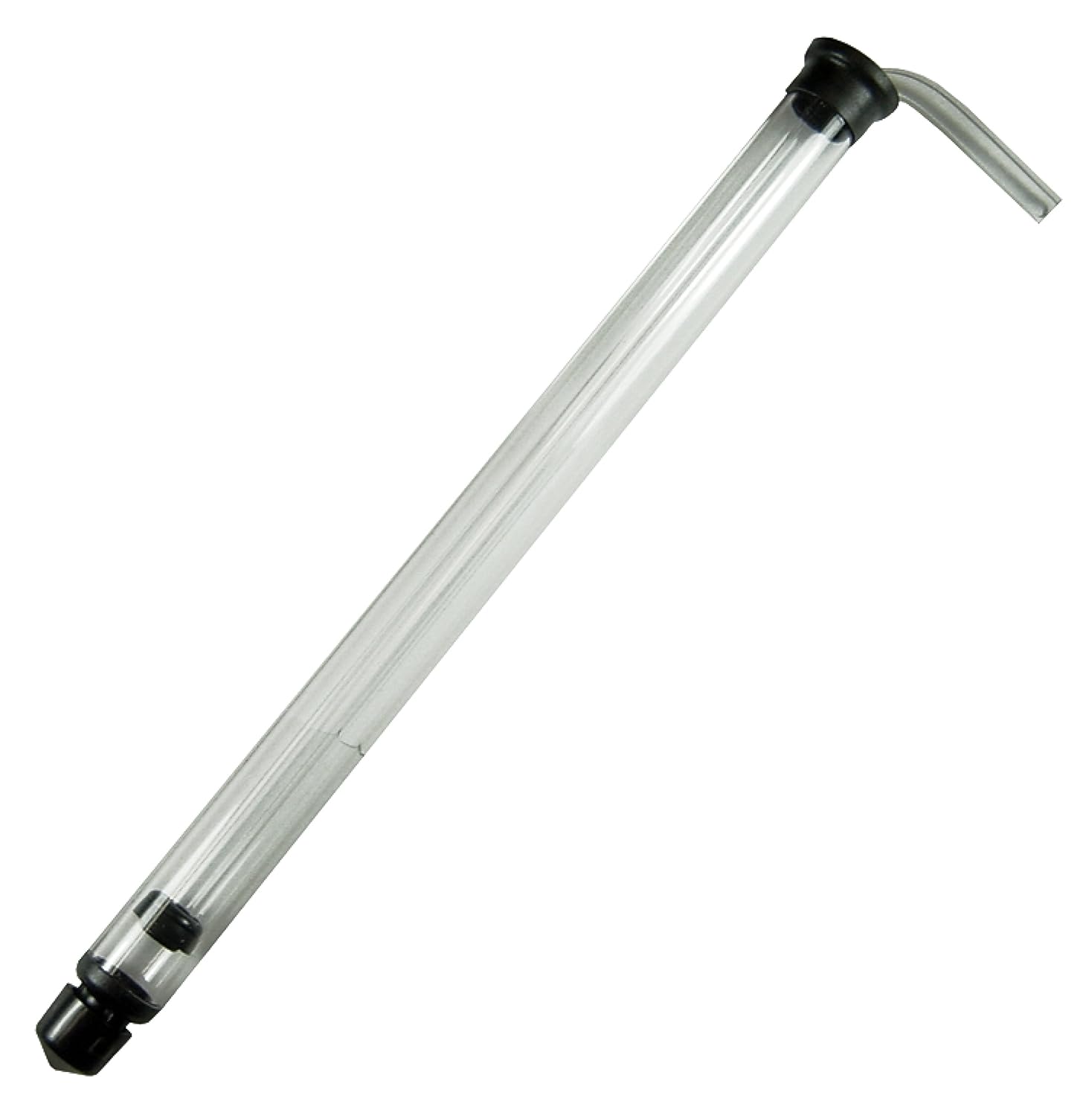
- Auto-siphon (a ratchet-pump siphon that starts flow without mouth-siphoning — hygiene and ease)
- Vinyl or silicone racking cane and tubing
- Drilled bung and airlock (sized to carboy neck — typically #6.5 or #7 rubber bung)
- Wine thief (a long tube for pulling samples without disturbing lees)
- Hydrometer — the instrument that measures specific gravity (the density of your liquid relative to water), which tells you how much sugar is present and, by comparison across two readings, how much has been converted to alcohol
- Potassium metabisulfite (for sanitation and preservation)
- Potassium sorbate (a stabilizer added at the end to prevent re-fermentation in the bottle)
- Bottle filler, corks, and a hand corker if you’re bottling
Assembled from individual components, this setup runs $110–$175. Pre-bundled kits from Wine Expert, RJ Spagnols, and Master Vintner package most of this for $90–$160, with the quality of the included hardware varying significantly. Owners in long-run reviews consistently flag that bundled vinyl tubing and cheap plastic airlocks are the first things to replace — the upgrade cost is low ($8–$15) and the sanitation improvement is real.
The Kit Wine Ingredient Tier You Choose Matters More Than the Vessel
This is the point most equipment-focused guides skip, and it’s worth naming clearly: a wine ingredient kit — the pre-measured juice concentrate, oak adjuncts, fining agents, and yeast that come in a box — has more impact on your finished wine than the vessel holding it.
BYO.com’s wine-from-kits feature distinguishes three meaningful tiers:
-
Entry-level concentrate kits ($20–$45): High dilution, lower juice-to-water ratio, faster (4–6 weeks total). Brands like Winexpert Classic or RJ Spagnols Cru International. Good for learning process, not for chasing complexity.
-
Mid-range limited-edition and regional kits ($60–$100): Lower dilution, better grape sourcing documentation, longer aging recommendations (8–12 weeks). Winexpert Selection Estate or Master Vintner Weekday Wine. Owners report a noticeable quality ceiling increase — this is where kit wine starts tasting like wine you’d actually serve.
-
Premium and ultra-premium kits ($100–$200+): Minimal or no added water, single-origin juice, skin packs included for tannin and body, extended aging (6–12 months recommended). Winexpert Icon or RJ Spagnols En Primeur. These kits require a proper 6-gallon glass carboy and disciplined racking schedule to hit their ceiling — which is genuinely impressive.
The decision rule here is straightforward: match your kit tier to your vessel tier. Putting a $150 ultra-premium kit in a scratched plastic pail that was poorly sanitized is a waste. Putting a $25 entry-level concentrate in a pristine 6-gallon glass carboy with perfect temperature control is just fine — you’re over-specifying the vessel, but you’ll learn process and the wine will be drinkable.
The Clear Decision Framework
Wine making equipment and kit selection isn’t complicated once you frame it as a matching problem:
If you’re in your first fermentation project of any kind: Buy the 1-gallon glass starter kit ($30–$50), run two batches of a mid-range juice kit, and focus entirely on sanitation discipline and reading your hydrometer. The skill you’re building is pattern recognition, not infrastructure.
If you’ve fermented anything before and you’re ready to produce a bottle-worthy batch: Go directly to the 6-gallon glass carboy setup ($110–$175 assembled), pair it with a mid-range ingredient kit ($60–$100), and invest in a proper temperature-stable fermentation space before you invest in anything else.
If you’re already making all-grain beer and are crossing over: Your sanitation habits, hydrometer skills, and temperature management intuition transfer directly. Skip the 1-gallon tier entirely, buy the glass carboy setup, and go straight to a premium ingredient kit — you have the process discipline to get value from it.
The vessel ladder in wine making mirrors the fermenter ladder in homebrewing almost exactly: bucket → carboy → conical → controlled environment. The lesson the hobby keeps teaching is that upgrading your container before upgrading your process discipline returns diminishing results. Get the fermentation right, then get the gear right.